World No Tobacco Day: A Global Effort to End Tobacco Use
Join the global initiative on World No Tobacco Day to raise awareness about the dangers of tobacco use and advocate for effective policies to reduce tobacco consumption. Learn about its history, significance, and ways to get involved.
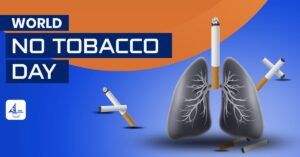
Every year on May 31st, the world observes World No Tobacco Day. This significant day, established by the World Health Organization (WHO) in 1987, aims to raise awareness about the harmful effects of tobacco use and advocate for policies that reduce tobacco consumption. The annual campaign highlights the health risks associated with tobacco use and promotes effective measures to reduce its impact on public health.
The history of World No Tobacco Day dates back to 1987 when the WHO’s World Health Assembly passed Resolution WHA40.38, calling for April 7, 1988, to be a “world no-smoking day.” The following year, Resolution WHA42.19 was passed, designating May 31st as World No Tobacco Day. Since then, this day has become a pivotal part of global health initiatives aimed at combating the tobacco epidemic.
Tobacco use is one of the leading causes of preventable deaths worldwide. It is linked to a range of serious health issues, including heart disease, stroke, lung disease, and various forms of cancer. According to the WHO, tobacco kills more than 8 million people each year, with over 7 million of those deaths being the result of direct tobacco use and around 1.2 million resulting from non-smokers being exposed to second-hand smoke. These statistics underscore the urgent need for continued efforts to reduce tobacco consumption.
Each year, World No Tobacco Day focuses on a specific theme to draw attention to different aspects of tobacco control. Recent themes have included “Tobacco and Lung Health,” “Tobacco and Heart Disease,” and “Protecting Youth from Industry Manipulation and Preventing Them from Tobacco and Nicotine Use.” These themes help to target specific areas of concern and mobilize action among governments, organizations, and the public.
On World No Tobacco Day, various activities and events are organized globally to promote awareness and encourage tobacco users to quit. Governments, public health organizations, and advocacy groups hold seminars, workshops, and public rallies to educate people about the dangers of tobacco use and the benefits of quitting. Media campaigns, social media initiatives, and educational programs in schools are also common, aiming to reach a broad audience and drive home the anti-tobacco message.
One of the key strategies in tobacco control is the implementation of effective policies. The WHO Framework Convention on Tobacco Control (WHO FCTC) is an international treaty that provides a comprehensive approach to tobacco control. It includes measures such as higher taxes on tobacco products, bans on advertising and promotion, requirements for health warnings on packaging, and the establishment of smoke-free environments. Countries that have implemented these measures have seen significant reductions in tobacco use and related health issues.
For individuals, World No Tobacco Day serves as a reminder of the personal health benefits of quitting tobacco. Quitting smoking can lead to immediate and long-term health benefits, including improved cardiovascular health, better lung function, and a reduced risk of cancer. There are many resources available to help individuals quit, including counseling services, quitlines, and nicotine replacement therapies.
In addition to health benefits, quitting tobacco also has economic advantages. The cost of tobacco products can be a significant financial burden for users, and quitting can free up resources for other essential needs. Moreover, reducing tobacco use can decrease healthcare costs associated with treating tobacco-related illnesses.

Education plays a crucial role in tobacco control. Schools and educational institutions are vital in spreading awareness among young people about the dangers of tobacco use. Incorporating anti-tobacco education into school curricula can help prevent the initiation of tobacco use among youth and foster a generation committed to healthy, tobacco-free lifestyles.
In conclusion, World No Tobacco Day is a vital global initiative that highlights the dangers of tobacco use and promotes effective strategies to reduce its impact on public health. By raising awareness, advocating for strong policies, and supporting individuals in their efforts to quit, we can work towards a future free from the harms of tobacco. Everyone can play a role in this effort—whether through personal commitment to quitting, participating in awareness campaigns, or advocating for stronger tobacco control measures in their communities.
External Links:
World Health Organization – Tobacco
Centers for Disease Control and Prevention – Smoking & Tobacco Use